
Where is Sukhlaphanta National Park?
Located in Kanchanpur District of Sudurpashchim Province, Sukhlaphanta National Park covers approximately 305 square kilometers of grasslands, sal forests, wetlands, and river systems near the Nepal–India border.
Originally established as a wildlife reserve, it was officially declared a National Park in 2017, recognizing its incredible ecological importance and conservation success.
________________________________________
Why is Sukhlaphanta So Special?
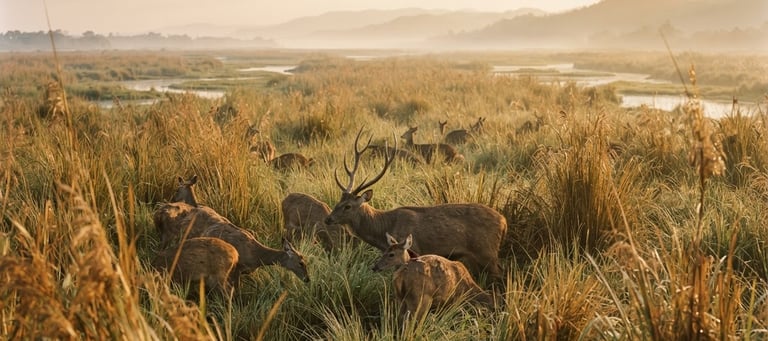
The park gets its name from the enormous "Phanta"—a vast open grassland that is among the largest continuous grasslands in Nepal and one of the most significant in South Asia.
Unlike many popular parks crowded with safari vehicles, Sukhlaphanta offers a quieter and more authentic wildlife experience. Here, nature sets the pace, allowing visitors to truly appreciate the sounds, sights, and serenity of the wilderness.
________________________________________
Home to Nepal's Largest Herd of Swamp Deer
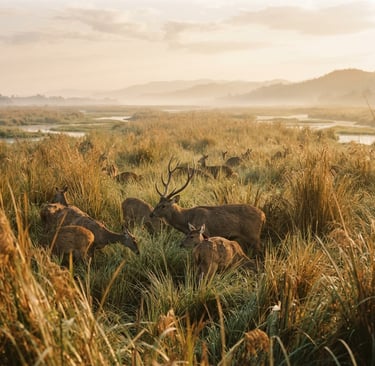
One of Sukhlaphanta's biggest attractions is the magnificent Swamp Deer (Barasingha).
The park is home to Nepal's largest population of these graceful animals, with herds often numbering in the hundreds as they graze across the golden grasslands. Watching these majestic deer against the backdrop of endless meadows is an unforgettable experience.
The healthy grassland ecosystem has made Sukhlaphanta one of the world's most important conservation areas for this vulnerable species.
________________________________________
Wildlife You May Encounter
Although famous for swamp deer, Sukhlaphanta protects an impressive diversity of wildlife.
Lucky visitors may spot:
• Royal Bengal Tigers
• Wild Asian Elephants
• Leopards
• Nilgai (Blue Bull)
• Hog Deer
• Spotted Deer
• Wild Boars
• Jackals
• Marsh Mugger Crocodiles
• Rhesus Macaques and Langurs
Because the park remains less crowded, wildlife sightings often feel more intimate and natural.
________________________________________
A Paradise for Bird Lovers
If you're passionate about birdwatching, Sukhlaphanta is nothing short of paradise.
More than 350 species of birds have been recorded here, making it one of Nepal's finest birding destinations.
Keep your binoculars ready for:
• Bengal Florican (one of the world's rarest grassland birds)
• Sarus Crane
• Grass Owl
• Swamp Francolin
• Kingfishers
• Eagles
• Migratory waterfowl around Rani Tal
Whether you're a professional photographer or simply love nature, every season offers new opportunities to observe spectacular birdlife.
________________________________________
Things to Do in Sukhlaphanta National Park
Jeep Safari
Explore the park's grasslands and forests with experienced nature guides who know the best wildlife viewing areas.
Bird Watching
Visit wetlands and watchtowers early in the morning when bird activity is at its peak.
Visit Rani Tal
This beautiful lake inside the park attracts numerous birds and wildlife, especially during sunrise and sunset.
Wildlife Photography
Wide open landscapes, golden grasslands, and diverse wildlife make Sukhlaphanta a dream destination for photographers.
________________________________________
Best Time to Visit
The ideal months are October to March, when temperatures are pleasant and wildlife is easier to spot.
The dry season offers excellent visibility, while migratory birds also arrive during winter.
Although the park remains open in other seasons, heavy monsoon rains can make travel more challenging.
________________________________________
How to Reach Sukhlaphanta
Most travelers reach Sukhlaphanta via Dhangadhi, which is connected to Kathmandu by regular flights.
From Dhangadhi, the park headquarters near Majhgaon can be reached by road in approximately 1.5 hours.
Visitors exploring Sudurpashchim often combine Sukhlaphanta with nearby attractions such as the Dodhara Chandani Suspension Bridge, Mahakali River, and local Tharu villages, creating a diverse Far West travel itinerary.
________________________________________
Why Sukhlaphanta Should Be on Your Bucket List
Sukhlaphanta is more than a national park—it's a reminder of what untouched nature looks like.
Without overwhelming tourist crowds, visitors can enjoy genuine wilderness, incredible biodiversity, breathtaking grasslands, and unforgettable wildlife encounters. Every safari feels like a true expedition into one of Nepal's last hidden natural treasures.
For travelers seeking authentic experiences beyond Nepal's well-known destinations, Sukhlaphanta offers exactly that: wild landscapes, peaceful surroundings, and memories that last a lifetime.
Travel Responsibly
When visiting Sukhlaphanta National Park:
• Follow your guide's instructions.
• Maintain a safe distance from wildlife.
• Avoid making loud noises.
• Carry reusable water bottles and minimize plastic waste.
• Support local guides and community-run tourism whenever possible.
Responsible travel helps preserve this extraordinary ecosystem for future generations.
________________________________________
Final Thoughts
Far West Nepal is filled with hidden gems, and Sukhlaphanta National Park shines as one of its greatest treasures. Whether you're a wildlife enthusiast, birdwatcher, photographer, or simply someone looking to escape into nature, this remarkable destination promises an experience unlike anywhere else in Nepal.
So the next time you're planning an adventure, skip the crowds and discover the wild heart of Sudurpashchim.
Have you visited Sukhlaphanta National Park? Share your experience with us, and inspire more travelers to explore the incredible beauty of Far West Nepal.
Reach out
© 2026 Visit Farwest Nepal.
Hidden. Authentic. Unforgettable.